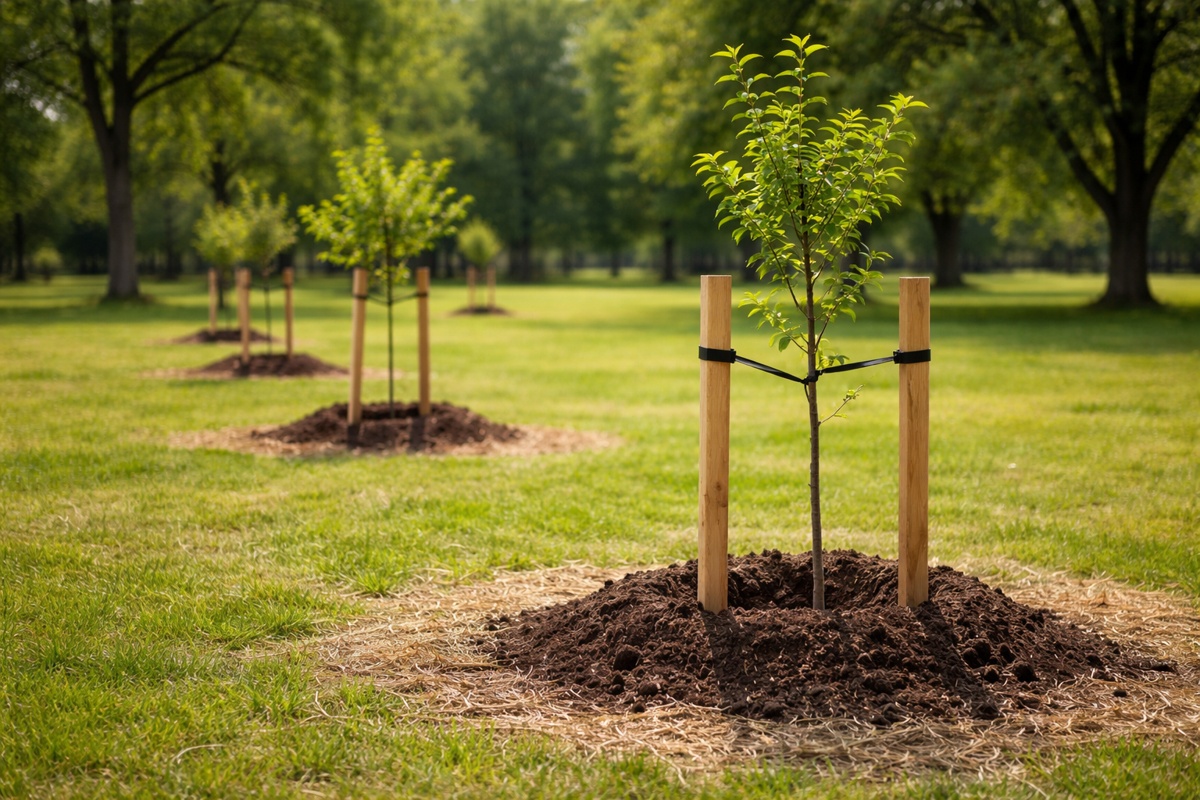
Cities across the United States are expanding urban tree planting programs as part of broader climate resilience strategies. Local governments are increasing investments in green infrastructure to address rising temperatures and improve environmental conditions in urban areas.
Urban trees provide multiple environmental benefits, including shade, improved air quality, and reduced stormwater runoff. Studies show that tree-lined neighborhoods often experience significantly lower temperatures during summer heat waves.
Several major cities have launched new initiatives to plant thousands of trees in neighborhoods with limited green space. Officials say these areas often face the greatest environmental challenges, including higher pollution levels and reduced access to parks.
Urban planners are focusing on planting tree species that can thrive in changing climate conditions. Heat-resistant and drought-tolerant species are becoming increasingly important as cities prepare for warmer weather patterns.
Community involvement plays a key role in many tree planting programs. Volunteers, local organizations, and schools often participate in planting events and long-term maintenance efforts.
Environmental advocates say expanding urban forests can deliver both ecological and public health benefits. Trees help absorb carbon dioxide while also reducing stress and improving mental well-being for residents.
As climate adaptation becomes a growing priority, urban greening initiatives are expected to expand across more cities in the coming years. Officials believe these programs represent one of the most accessible ways to strengthen environmental resilience at the local level.
Sources
https://www.epa.gov/green-infrastructure/urban-tree-canopy
https://www.fs.usda.gov/urban-forestry
https://www.washingtonpost.com/climate-environment/2026/02/10/urban-tree-planting-cities