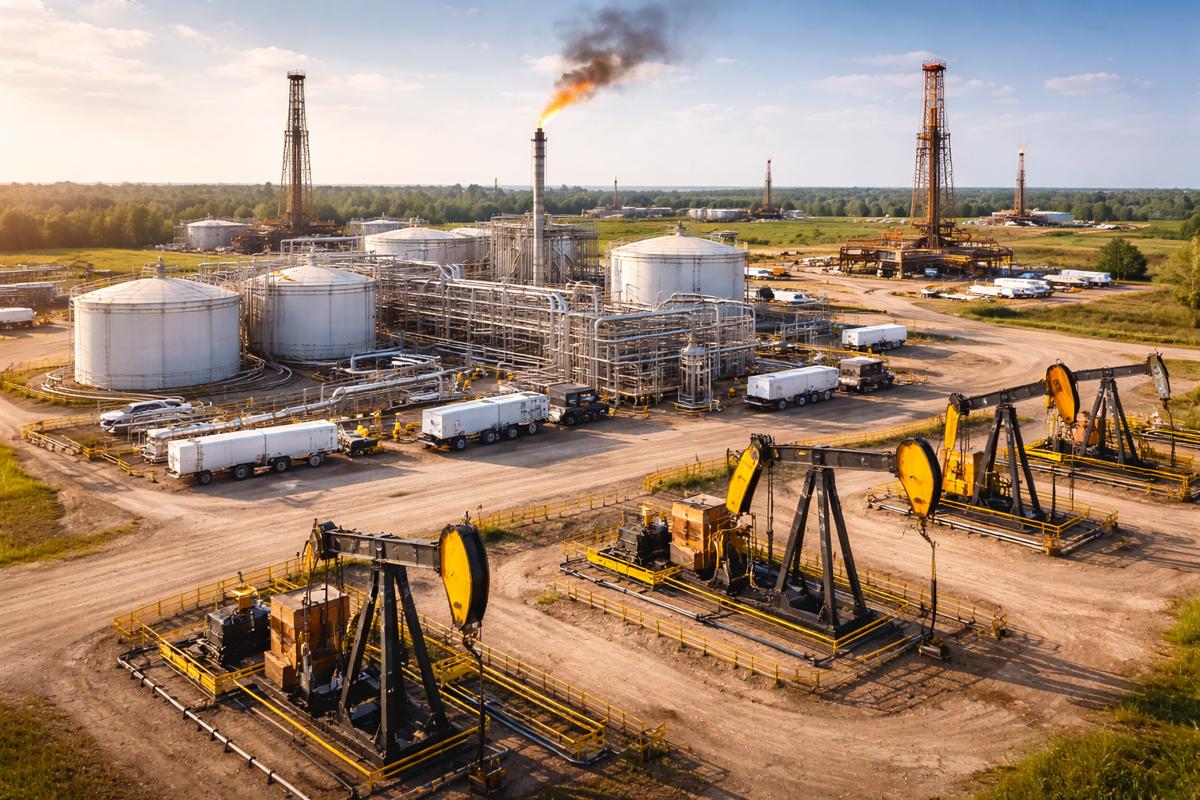
The U.S. Environmental Protection Agency (EPA) unveiled updated methane reduction standards for oil and gas facilities across the country. The new rules aim to significantly reduce methane emissions, one of the most potent greenhouse gases contributing to climate change. Federal officials say the measures will improve air quality, reduce waste, and push the energy sector toward cleaner operational practices.
Methane emissions from oil and gas infrastructure have long been a major concern for environmental regulators. According to federal data, methane traps more heat in the atmosphere than carbon dioxide over shorter timeframes, making it a critical target for climate policy. By tightening regulations on leaks, venting, and flaring, the EPA hopes to achieve measurable emission reductions within the next decade.
Under the updated regulations, companies must implement more frequent inspections at drilling sites and compressor stations. Advanced leak detection technologies, including infrared monitoring and satellite tracking, will also become part of compliance requirements. Federal officials argue that these technologies allow operators to identify leaks quickly and prevent large-scale methane releases.
Industry groups have expressed mixed reactions to the announcement. Some companies support the rules, noting that methane captured from leaks can be reused or sold, creating economic benefits. Others argue that the compliance costs could place financial pressure on smaller operators that lack the resources to upgrade monitoring systems quickly.
Environmental advocates welcomed the new policy but said stronger enforcement will be essential for success. Advocacy groups note that methane leaks often occur in remote areas where inspections may be infrequent. They are urging regulators to invest in better monitoring systems and stricter penalties for companies that fail to comply.
The EPA also emphasized that the policy aligns with broader climate goals set by the federal government. Reducing methane emissions is considered one of the fastest ways to slow global warming in the short term. Officials estimate that the rule could prevent millions of tons of methane pollution annually once fully implemented.
Energy analysts say the rule reflects a growing trend in environmental regulation focusing on high-impact emissions sources. Methane reductions have become a key focus of climate strategies because they can deliver relatively quick results compared to long-term carbon reduction efforts.
As the policy moves into implementation, regulators will work with state governments and industry stakeholders to ensure compliance timelines are achievable. The coming months are expected to include technical guidance, monitoring frameworks, and additional reporting requirements for companies operating in the oil and gas sector.
Sources
https://www.epa.gov/newsreleases/epa-finalizes-stronger-methane-rule-oil-and-gas-industry
https://www.energy.gov/articles/new-federal-standards-target-methane-emissions
https://www.nytimes.com/2025/09/18/climate/methane-emissions-epa-rule.html